

Moving Services in Astoria with Storage Solutions: What Is Available, How It Works, and What It Costs?
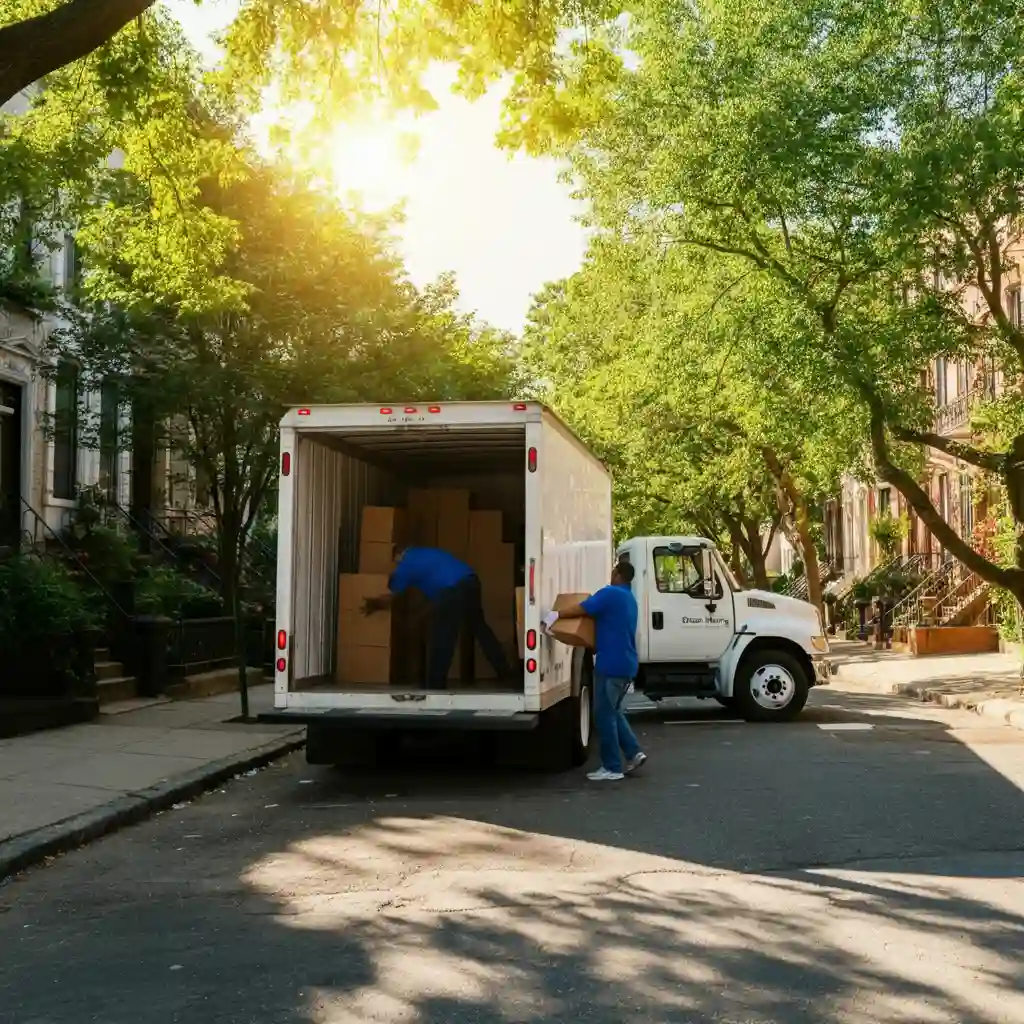
Yes. Dream Moving offers storage solutions that integrate directly with residential moves in Astoria. Items go from the move-out address into a climate-controlled facility without an intermediate stop. When the move-in address is ready, items are delivered directly from storage. Pricing runs $150 to $350 per month with no minimum contract term. This guide covers when Astoria renters need storage during a move, how the direct load-in workflow operates, what the facility provides, and how to coordinate storage with the Astoria rental calendar.
Why Astoria renters commonly need storage during a move?
The Astoria rental market creates predictable storage demand because most leases roll on the 1st of the month and most departing tenants face an overlap or gap between their move-out and move-in dates. A lease ending August 31 and a new lease starting September 15 creates a 15-day gap. An apartment not ready because the prior tenant is still moving out creates an unplanned same-day gap. These are the five most common Astoria storage scenarios:
Situation | Typical duration in storage | What makes it Astoria-specific |
|---|---|---|
Lease gap between move-out and move-in | 1 to 30 days | Peak August to September lease rollovers in Astoria create the highest concentration of same-day and next-day gaps in the NYC calendar |
Prior tenant still in the apartment on move-in day | 1 to 5 days | Common during the August 31 to September 1 mass turnover in Astoria’s pre-war walk-up stock |
Renovation needed before move-in | 2 to 8 weeks | Pre-war Astoria apartments often require painting, flooring, or kitchen work between tenants |
Downsizing from a 2-bedroom to a studio | Open-ended | Astoria tenants downsizing retain excess furniture until a decision about selling or donating is made |
Long-distance relocation with no confirmed delivery date | Variable | Applies when the Astoria origin move is completed but the destination address is not yet available |
How the direct load-in workflow works for an Astoria move with storage?
The direct load-in is the most efficient storage model for an Astoria move. Items go from the move-out address into the storage facility in one crew visit, without unloading into a temporary location and reloading later. The workflow has four stages:
- Stage 1, move-out: the crew arrives at the Astoria origin address and loads all items onto the truck. The full job scope including furniture wrapping and box labeling is the same as a standard residential move.
- Stage 2, facility intake: the truck drives directly to the storage facility. The crew unloads into the assigned unit. An item inventory is recorded on intake with condition notes. The customer receives a copy of the inventory before the facility closes.
- Stage 3, storage period: items remain in the climate-controlled facility. Access during the storage period is available by appointment during business hours. No unannounced access.
- Stage 4, delivery: when the move-in address is ready, the customer contacts Dream Moving to schedule delivery. The crew loads from the storage facility and delivers to the new address. This counts as a new local move and is priced at the standard all-inclusive rate for the apartment size.
The alternative to the direct load-in is a staged move: the customer keeps items in a temporary location (a friend’s apartment, a commercial self-storage unit, or the new apartment’s storage room if one is available) and books the mover separately for each stage. The staged model requires two bookings, two COI filings if both buildings require them, and double the handling. The direct load-in eliminates all of that.
Storage facility specifications and pricing for Astoria moves
Dream Moving’s storage facility is climate-controlled year-round. Temperature is maintained between 55 and 80 degrees Fahrenheit. Relative humidity is controlled to prevent moisture damage to wood furniture, artwork, and documents. The facility operates 24/7 security monitoring with access logs maintained by the management team.
Storage scope | Pricing | Practical capacity |
|---|---|---|
Studio apartment contents | $150 to $200/month | Approx. 200 to 300 cubic feet; bed, dresser, sofa, 20 to 30 boxes |
1-bedroom apartment contents | $200 to $280/month | Approx. 400 to 500 cubic feet; standard 1-BR furniture and 30 to 40 boxes |
2-bedroom apartment contents | $280 to $350/month | Approx. 700 to 900 cubic feet; full 2-BR furniture and 50 to 70 boxes |
Partial load (excess furniture only) | $80 to $150/month | 50 to 150 cubic feet; a few large pieces and boxes that do not fit the new space |
Commercial office contents | Quoted per cubic foot/month | Modular furniture, filing, IT equipment; scoped at booking |
Pricing is per month with no minimum contract term. A 3-day lease gap between August 31 move-out and September 3 move-in is billed at the monthly rate, not at a daily rate. There is no fee to extend storage if the move-in date changes after items are already in the facility. Items can remain in storage for as long as needed without a penalty for extending.
What climate-controlled storage protects that standard self-storage does not?
Standard self-storage units in Queens operate at ambient outdoor temperature, which can reach 95 to 100 degrees Fahrenheit in July and August and drop to 20 degrees Fahrenheit in January. This temperature range causes:
- Wood furniture: expansion and contraction cycles that split veneer, warp solid wood panels, and loosen joinery over time
- Upholstered furniture: mold growth at humidity above 65% relative humidity, which is common in unventilated Queens storage units in summer
- Electronics: heat damage to circuit boards and battery degradation at sustained high temperatures
- Artwork, photographs, and documents: yellowing, brittleness, and adhesive failure at temperature extremes
- Mattresses: moisture absorption at high humidity that cannot be fully reversed by drying
For a 1-bedroom Astoria apartment move with standard contents, the risk of climate-related damage in a standard self-storage unit during a summer storage period is higher than most renters expect. An August 31 move-out with items in a standard Queens self-storage unit through September 15 exposes furniture and electronics to peak summer heat for two weeks in a facility that may reach 100 degrees internally.
How the Astoria rental calendar affects storage timing and availability?
The NYC lease calendar concentrates demand for both moving services and storage in a short window. August 15 through September 1 is the peak of the NYC rental market. In Astoria specifically, this means:
- The majority of pre-war walk-up lease expirations fall on August 31
- A large share of renters moving out on August 31 do not have a move-in date until September 1 or later
- Storage demand from August 25 through September 5 is at its highest for the year
For renters planning an end-of-August Astoria move with a lease gap, book storage at least 3 to 4 weeks before the move-out date. Units fill during peak season. Booking the move and the storage simultaneously ensures the crew, the truck, and the storage unit are all coordinated for the same date.
For renters moving in October through February, storage availability is highest and pricing is most flexible. Off-peak storage bookings are also easier to extend or modify because the facility is not at capacity.
COI and building requirements for Astoria moves that include storage
The COI requirement applies to the move-out building and to the move-in building when delivery is made from storage. The storage facility does not require a COI because the crew operates on the facility’s own property. This means a move with storage requires at most two COI filings: one for the origin building and one for the destination building at delivery.
The 24 to 48 business hour COI processing timeline applies to both filings. For moves during peak season where the destination address is not confirmed at the time of the origin move, the COI for the destination can be filed when the delivery date is set. The full COI timeline and building access requirements are covered in the Astoria mover booking advance guide.
Storage for long-distance moves from Astoria
For long-distance moves from Astoria to Florida, North Carolina, Texas, California, or any other state, storage-in-transit holds items at a facility at or near the destination city when the delivery address is not yet ready. This prevents the mover from forcing delivery on a date the customer cannot accept. Storage-in-transit is included in the FMCSA-regulated binding estimate for interstate moves. The rate and duration are specified in the binding estimate before the origin pickup date. Items remain in the storage-in-transit facility until the customer is ready to receive delivery, at which point the delivery is scheduled and completed.
Frequently Asked Questions about storage solutions with Astoria moving services
Are there moving services in Astoria that offer storage solutions?
What is the direct load-in workflow for a move with storage?
Why is climate-controlled storage important for an Astoria summer move?
How far in advance should I book storage for an Astoria August move?
What does storage for an Astoria 1-bedroom apartment cost per month?
What does Dream Moving's storage facility offer?
Can I access my items while they are in storage?
Do I need to file a COI with the storage facility?
Related reading
For packing services that integrate with a storage move including room-by-room packing scope and the elevator window staging consideration, see packing and unpacking services with a residential move in Astoria.
For the full Queens local moving logistics guide including COI requirements, freight elevator reservations, and the Queens lease calendar in detail, see the complete guide to local moving in Queens.