

What to Check Before Moving Into an Older Apartment Building in Queens
- Home
- »
- Local Moving
- »
- What to Check Before Moving Into an Older Apartment Building in Queens
Key Takeaways
- Older Queens buildings can be charming, though they often come with tighter stairwells, stricter co-op rules, and more maintenance history to review
Before move-in, check the building record, bed bug history, signs of water damage, outlet condition, radiator heat, and entry dimensions
In pre-1960 buildings, peeling or disturbed paint deserves extra attention, especially if children will be in the apartment
The move itself matters just as much as the inspection, since older floors, narrow hallways, and walk-ups are easier to damage
A local team with Queens building experience can make the difference between a smooth move-in and a long day of delays
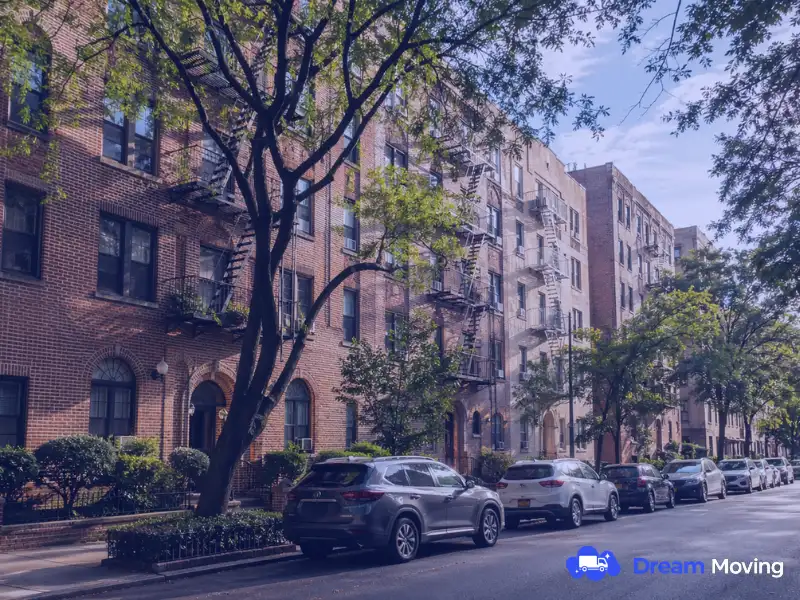
Moving into an older apartment building in Queens can be a smart choice. You often get better layouts, real hardwood floors, thicker walls, and neighborhood character that newer buildings do not always offer. At the same time, older buildings in Astoria, Sunnyside, Jackson Heights, and Forest Hills tend to come with very specific move-in realities. The checklist is not only about what looks nice during the tour. It is about what can slow down your move, damage your furniture, or create expensive headaches after you move in.
That is where Dream Moving fits naturally into the process. Dream Moving serves all five boroughs and handles local moves, small moves, urgent moves, storage, and NYC building logistics, with Queens as a core part of that footprint.
What should you check first in an older Queens apartment building?
Start with the building itself before you focus on your boxes.
The smartest first step is to check the property record and complaint history. NYC’s HPD Online lets renters and buyers look up building complaints, violations, litigation, registration data, and more by address. That gives you a much better picture of how the building has actually been maintained, not just how the apartment looked during a quick showing.
You should also ask for bed bug history and look at whether recurring pest or maintenance issues show up in the building record. NYC requires annual bed bug reporting for multiple dwellings, and property owners are required to address infestations promptly.
Quick pre-move building checklist
What to check | Why it matters in an older Queens building |
HPD complaint and violation history | Shows recurring maintenance problems before you commit |
Bed bug history | Gives you a clearer picture of building-wide pest issues |
Stairwell width and hallway turns | Determines whether large furniture can get in cleanly |
Elevator rules or lack of elevator | Changes crew size, timing, and moving method |
Outlet condition and placement | Older buildings may have fewer grounded outlets or awkward layouts |
Water pressure and drainage | Older plumbing can be inconsistent |
Window condition and drafts | Affects comfort and utility costs |
Floor condition | Older hardwood scratches much faster during move-in |
Why do older Queens buildings need a different move-in checklist?
A newer building often gives you wider hallways, larger elevators, loading access, and more forgiving layouts. Older buildings rarely do.
In many pre-war or mid-century Queens properties, the apartment may be generous, though the path into it is not. The real problem is often not the unit. It is the vestibule, the stair landing, the narrow turn at the top of the second floor, or the co-op rule that only allows weekday move-ins during a short window.
That is why you should think about the apartment in two parts:
- What needs inspection
- What needs access planning
A beautiful apartment is not enough if your mattress, sofa, dresser, or desk cannot make it inside without scraping walls or damaging old flooring. This is exactly where local moving in Queens and across NYC becomes relevant, especially in older buildings with strict access conditions and no room for guesswork. Dream Moving’s local moving page highlights all-borough service, COI support, and experience across different building types.
What maintenance issues matter most before move-in?
Focus on problems that can affect your first month in the apartment, not just cosmetic flaws.
Check for signs of water stains under sinks, around radiators, near bathroom ceilings, and along window frames. Test faucets, flush toilets, and see how quickly drains clear. Plug a charger into outlets to see whether placement and function make sense for real daily use. In older Queens buildings, layout quirks matter just as much as whether the outlet technically works.
For pre-1960 buildings, paint condition deserves extra attention. NYC HPD says lead-based paint hazards exist when paint is peeling or disturbed on surfaces in buildings built before 1960 in apartments where a child under six routinely spends significant time, unless testing shows lead is below the threshold. NYC’s Department of Health also notes that many older buildings may still contain lead paint, since lead paint for residential use was banned in New York City in 1960.
That does not mean every older building is unsafe. It means peeling paint, friction surfaces like windows, and deferred maintenance should not be brushed off as “normal old-building stuff.”
What should you ask management or the super before move-in day?
You want answers to move-day questions before the truck arrives.
Ask these questions in advance
Question | What it helps you avoid |
Do you require a COI from the mover? | Delays or denied building access |
Are there approved move-in hours? | Missed move window and extra waiting time |
Is wall or floor protection required? | Damage claims and rule violations |
Is there elevator access or only stairs? | Wrong crew or wrong moving plan |
Are there weekday-only co-op rules? | Last-minute schedule conflicts |
Is curbside parking difficult on this block? | Truck access problems and longer carry distances |
This is especially important in older co-ops and stricter buildings in Jackson Heights or Forest Hills, where move-in windows can be much tighter than renters expect.
That timing matters even more when the move is happening on short notice and there is very little room to fix building access issues at the last minute.
How do you know whether your furniture will actually fit?
Measure before move day, not during it.
Older Queens buildings often have narrow entry doors, angled hallways, tight corners, and stair rails that reduce usable space. A piece that fit easily into a newer rental may be a problem in a pre-war walk-up.
Measure:
- apartment entry door width
- hallway width
- stairwell clearance
- tight turns near landings
- elevator interior if there is one
- your largest items, especially sofas, box springs, dressers, and desks
This is one of the most overlooked parts of moving into an older building. It is easy to assume that if the apartment itself is spacious, the path to it will be manageable. That is often not true.
If the move is relatively small, a small move service for studios, one-bedrooms, or partial moves may be enough. If access is difficult, the building matters more than the inventory count.
What should you protect during the move itself?
In older Queens buildings, the apartment is not the only thing that needs protection.
Vintage hardwood floors scratch faster. Painted stair rails chip more easily. Hallway corners show marks immediately. The smart move is to protect both your belongings and the building.
That means:
- floor runners or padding where needed
- blanket wrap for furniture
- careful sequencing in walk-ups
- smaller, manageable boxes instead of oversized ones
- early planning for heavy pieces
This is where Dream Moving has a practical advantage in Queens. The issue is not just labor. It is knowing how to work inside tighter, older spaces without turning move-in day into building damage, furniture damage, or a stalled carry.
What should you do if the apartment is great but the building access is bad?
Do not back out immediately. Plan around the access problem.
A lot of older Queens apartments are worth it. The layout is better, the location is stronger, or the rent makes more sense than a newer building. The move just needs to be handled with the right plan.
A few examples:
- No elevator but only one bedroom worth of items? A focused local move may be enough.
- Tight hallways and delayed lease timing? Short-term storage can buy you flexibility.
- Co-op paperwork still pending? Confirm the COI process before setting the final move date.
If your move-in timing is awkward, storage for a lease gap or delayed access can be a practical bridge instead of forcing a rushed double move.
Why the last step is planning, not guessing
Older apartment buildings in Queens offer real advantages, though they demand a more careful move-in plan. Before you move, check the building record, pest history, paint condition, plumbing basics, outlet setup, and every key dimension that affects access. Then match your moving plan to the building, not just to the amount of stuff you own.
That is the difference between a move that feels organized and one that turns into hours of delays, wall damage, or furniture that will not clear the landing.
If you are moving into an older building in Astoria, Sunnyside, Jackson Heights, Forest Hills, or anywhere else in Queens, now is the time to line up a mover that understands older NYC buildings from the curb to the top floor. Contact Queens movers today and lock in the right plan before move-in day starts working against you.